kurma asli

Why Dates for Ramadan Are Physically Essential

Ramadan is a month of immense spiritual intensity, a time when over a billion Muslims worldwide observe a complete fast from dawn until sunset. It is a period of self-discipline, prayer, reflection, and community. Central to the daily observance of the fast, both at the pre-dawn meal (Suhoor) and the sunset breaking (Iftar), is a humble, sweet fruit: the date. The use of dates for Ramadan transcends mere tradition; it is a profound practice rooted in the Sunnah (the tradition and practices of the Prophet Muhammad, peace be upon him), harmoniously blending deep spiritual significance with undeniable, scientifically-backed physical benefits. This single food item serves as the perfect biological and spiritual bridge from fasting to feasting, embodying the wisdom, moderation, and compassion inherent in the Islamic faith.

The Spiritual Imperative: Following the Sunnah

The primary reason why dates are indispensable during Ramadan lies in the sacred practice of the Prophet Muhammad (PBUH). It is narrated in the prophetic traditions (Hadith) that the Prophet used to break his fast with fresh dates before offering the sunset prayer (Maghrib). If fresh dates were unavailable, he would opt for dried dates, and if those were also absent, he would take a few sips of water. This established a powerful precedent, elevating the consumption of dates at Iftar to a Sunnah Mu’akkadah—a highly recommended, emphasized practice.

By choosing dates, a Muslim is not just nourishing the body; they are intentionally aligning their actions with the beloved example of the Prophet. This act of spiritual adherence brings its own reward, known as Thawab, and infuses the simple act of eating with deep devotional meaning. The initial bite of the date thus becomes a moment of conscious connection to the faith, a physical manifestation of submission to God’s guidance. This profound spiritual dimension is what truly distinguishes dates as an essential food, making them the most blessed and rewarding start to the Iftar meal.

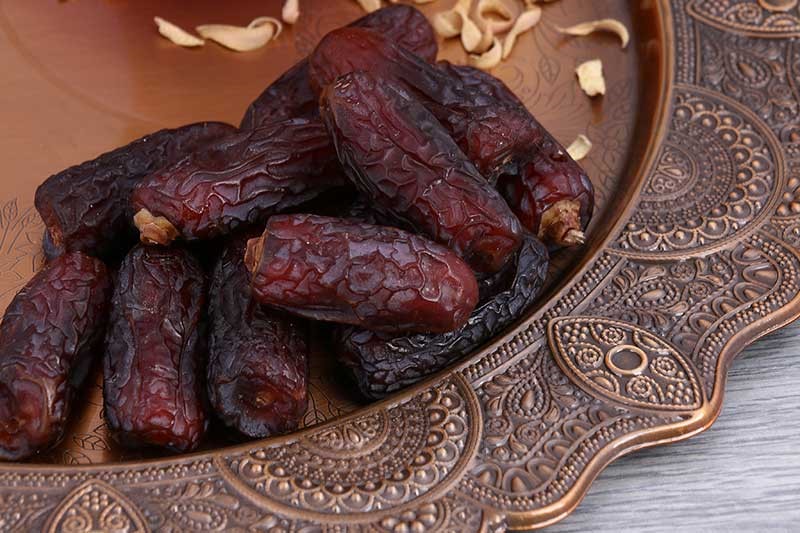
dates in ramadan

A Gentle Welcome for the Digestive System

From a physical perspective, the body’s state after a day-long fast is one of delicate transition. The digestive system has been dormant for many hours, and a sudden influx of heavy, rich, or complex foods can lead to indigestion, bloating, and discomfort. The human body requires a gentle and efficient restart, and dates are optimally structured to provide just that.

Dates are primarily composed of easily digestible carbohydrates, mainly natural sugars like glucose, fructose, and sucrose. When the fast is broken, these simple sugars are rapidly absorbed into the bloodstream, quickly replenishing the body’s energy stores. This immediate energy boost is crucial for three reasons: first, it alleviates the dizziness and fatigue often experienced at sunset; second, it provides the quick fuel needed for the brain and muscles to refocus; and third, it primes the body for the evening’s worship, particularly the long, voluntary night prayers (Taraweeh). Starting with dates signals to the stomach that food is coming in a mild, manageable form, preparing it for the main meal that follows, ensuring a smooth and gentle return to normal digestive function.

The Energy Reservoir: Fueling the Fast

While dates are famous for breaking the fast, they are equally beneficial when consumed at Suhoor, the pre-dawn meal. This is where their balanced composition of fiber and slow-release energy plays a vital role in sustaining the individual throughout the long fasting hours of the day.

Dates are packed with dietary fiber, which, unlike simple sugars, takes longer for the body to break down and process. This fiber acts as a natural time-release capsule, providing a prolonged feeling of fullness and energy throughout the daylight hours. This slow, steady stream of energy prevents the sudden sugar spikes and crashes that might occur with less healthy carbohydrate sources, helping the fasting person maintain consistent energy levels and focus. The fiber also aids in preventing constipation, a common issue during Ramadan due to changes in diet and fluid intake. By including dates in the Suhoor, Muslims can optimize their fast, minimizing lethargy and maximizing their spiritual concentration. For those managing their supplies for the entire month, finding a reliable pembekal kurma (date supplier) is a practical step to ensure a steady, high-quality stock.

maraimi dates

Nutritional Powerhouse: Restoring Key Elements

The fast depletes the body not only of energy but also of essential minerals and electrolytes. During Iftar, the body needs a quick way to restore this balance, and the nutritional composition of dates makes them remarkably well-suited for this purpose.

Dates are an excellent source of potassium, an electrolyte mineral that is vital for maintaining fluid balance, muscle function, and blood pressure regulation. After hours without water, the potassium in dates helps the body retain necessary fluids and prevent severe dehydration. They also contain magnesium, which supports muscle relaxation and nerve function, helping to soothe the body after a demanding fast. Furthermore, dates contain small but valuable amounts of essential nutrients such as iron, Vitamin B6, and antioxidants. The collective effect of this mineral wealth is a rapid and effective restoration of the body’s internal equilibrium, which is far superior to the high sodium and empty calories found in many processed snacks.

The Message of Moderation and Gratitude

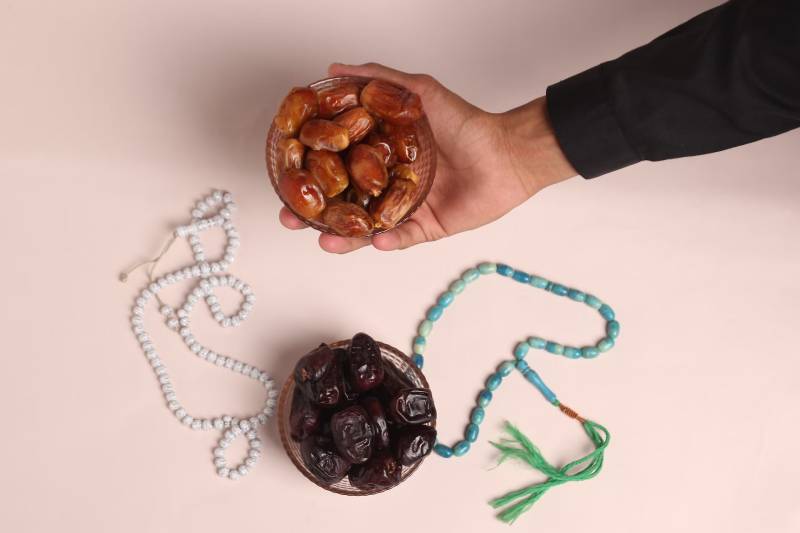
Beyond the physical benefits, the tradition of breaking the fast with an odd number of dates (usually one, three, or seven) carries a spiritual message of moderation and gratitude, two cornerstones of Ramadan.

The instruction to start with just a few dates encourages Muslims to resist the temptation of overeating immediately after sunset. It teaches self-control, reminding the faster that the purpose of the month is not to compensate for the day’s deprivation with an evening feast, but to practice temperance. This mindful approach to Iftar prevents the sluggishness and health issues associated with gorging. The moderate consumption of dates is a powerful lesson in Qana’ah (contentment) and Shukr (gratitude). The simple sweetness of the date, when tasted after a day of thirst, is a profound reminder of the abundance of God’s blessings and the immense poverty of those who lack even this small, vital nourishment. This renewed appreciation fuels the month’s emphasis on charity (Zakat).

Kedai Kurma in Malaysia

Dates as a Cultural and Communal Symbol

The date’s role in Ramadan is reinforced by its strong presence in Islamic history and culture. The date palm (Phoenix dactylifera) is mentioned repeatedly in the Quran, often in verses describing paradise or providing sustenance during hardship, most notably in the account of Maryam (Mary), the mother of Prophet Isa (Jesus). This rich scriptural context imbues the fruit with a deep symbolism of blessing, sustenance, and resilience.

In a practical sense, the date is the universal food of Iftar. Regardless of location, culture, or economic status, the date remains the consistent, recommended start to the meal. This common practice fosters a powerful sense of community and unity (Ummah). Whether an Iftar is hosted in a grand mosque or a humble home, the presence of dates links every fasting Muslim back to the same prophetic tradition. Finding quality dates, especially varieties like Ajwa, Medjool, or Safawi, is a priority for many communities, which can be easily facilitated through options like harga kurma online (price of dates) that offer convenience and variety for the holy month. This shared, symbolic start is the gentle transition that brings the global Muslim community together at the moment of sunset.

Conclusion

The enduring essentiality of dates for Ramadan is a testament to the comprehensive wisdom of the Sunnah. They are not merely a customary snack but a perfect fusion of spiritual devotion and nutritional science. At Iftar, the date offers rapid, gentle rehydration and energy, enabling the body to transition smoothly and the worshipper to focus on prayer. At Suhoor, its rich fiber and mineral content provide sustained endurance for the day’s fast. Most importantly, by following the Prophetic guidance, the act of eating the date transforms into a rewarding spiritual practice, reinforcing the core values of moderation, gratitude, and communal unity that define the sacred month of Ramadan. The date is truly the golden fruit of the fast, nourishing the body while uplifting the soul.

Chat dengan kami! 💬