

Premium dates are often seen as both a delicious treat and a symbol of quality. When buyers look at the harga kurma sekotak, (price of dates in sekotak) many wonder why one brand costs more than another. The truth is, the price of a box of dates is not only about the fruit itself but also about many hidden factors that influence value. Understanding these can help retailers, wholesalers, and ordinary buyers make better decisions.
Quality of the Dates
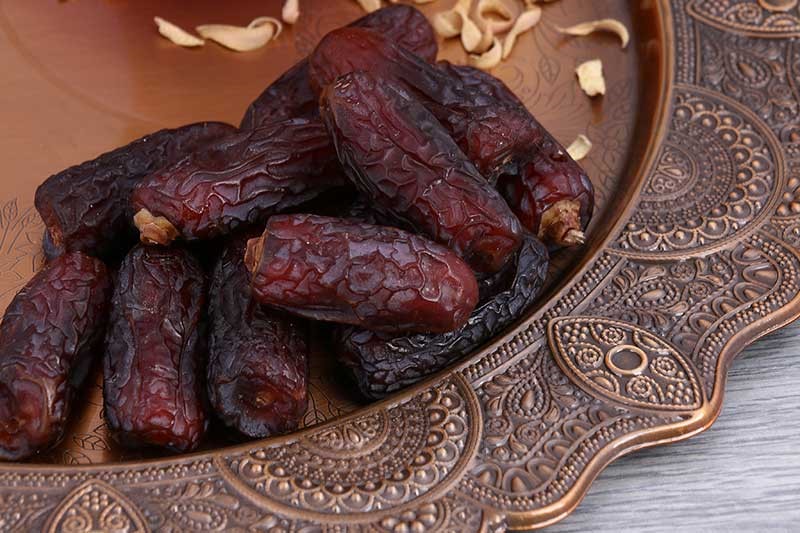
The first factor that affects the price is the overall quality of the dates. Premium dates varieties are judged on their size, texture, sweetness, and consistency. Dates with uniform shape and fewer blemishes are priced higher than those with imperfections.

Variety Matters
Different date varieties naturally carry different market values. For example, Medjool dates are often more expensive because they are larger, juicier, and require more care in cultivation. On the other hand, Zahidi or Deglet Noor dates are considered more affordable options due to their higher supply and longer storage potential.
Harvesting and Sorting
Dates undergo strict sorting and grading before packaging. The labor costs involved in handpicking, cleaning, and separating premium fruit from lower-grade dates add to the overall price. Higher precision in sorting means higher quality but also higher costs.
Packaging and Presentation
Packaging plays a major role in determining price. Dates packed in elegant boxes with protective layers, vacuum-sealing, or eco-friendly materials are naturally priced higher than those in basic cartons.
Brand Reputation
Well-known brands often invest more in attractive designs, branding, and quality assurance. This extra investment shows in the box, making it more appealing to customers who see packaging as part of the premium experience.
Storage and Shelf Life
Some boxes are specially designed to extend freshness, using moisture-resistant layers or temperature-safe materials. These technologies help maintain taste and texture but increase production costs.

Transportation and Import Costs
Dates are often imported from the Middle East or North Africa. Import duties, freight charges, and customs regulations directly influence the final price. The further the origin and the more complicated the logistics, the higher the cost to the consumer.
Seasonal Supply and Demand
During Ramadan or festive seasons, demand spikes significantly, pushing prices higher. Off-season, when demand is lower, prices may stabilize, but logistics costs still play a role in the final box price.
Certification and Standards
Certification adds credibility but also increases the cost of production. Boxes carrying labels such as organic, fair-trade, or halal are often priced higher because of the strict standards required to achieve these certifications.

Organic vs Conventional
Organic dates require natural farming methods without synthetic pesticides or fertilizers. This results in healthier, chemical-free fruit but also adds to the final retail cost. Conventional dates are usually cheaper due to higher yields and lower farming expenses.
Marketing and Distribution
How a brand markets its product also shapes the price. Premium marketing campaigns, influencer partnerships, and luxury placements in stores add to the perceived value.
Wholesale vs Retail Pricing
Retail buyers may notice that boxes sold in supermarkets are priced higher than bulk orders for wholesalers. This is because retailers factor in storage, display, and sales costs, while dates wholesalers operate with slimmer margins on larger volumes.
Comparing Different Brands
Not every high-priced brand delivers equal value. Sometimes smaller or less-known brands offer excellent quality at lower prices because they save on advertising and luxury packaging. Retailers and ordinary buyers should always compare brand reputation, packaging, and certifications before deciding.
Perceived Value vs Real Value
Some brands charge more for the image they create rather than the quality of the fruit itself. Buyers who want real value should look closely at factors like freshness, origin, and certifications instead of being swayed by packaging alone.
Conclusion:
When evaluating the dates prices, the difference lies in more than just the taste of the fruit. From variety, packaging, import costs, and certifications to marketing strategies, every layer adds to the price tag. For wholesalers, retailers, and everyday buyers, knowing these factors ensures smarter purchases and better appreciation of why one box may cost more than another. Ultimately, the price reflects not only the product but the entire journey that brings premium dates to your table.